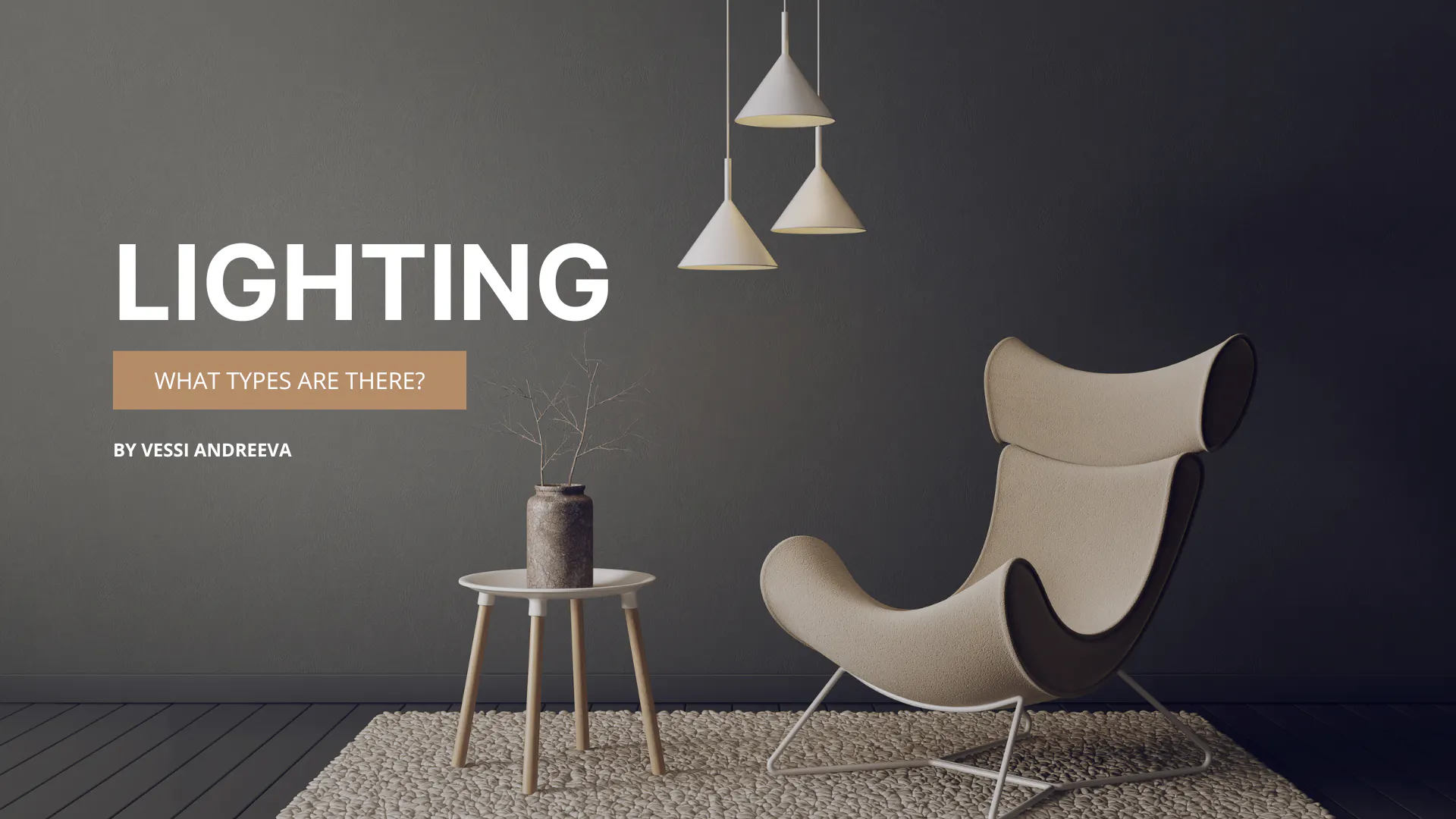
Lighting is the fastest way to make a home feel “premium” (without buying new furniture)
If a home feels cold, chaotic, or “unfinished,” it’s often not the sofa - it’s the lighting.
The good news: you don’t need a full renovation to fix it. You need a simple plan.
In this guide, I’ll break down the most common lighting solutions and how to use them - so your home feels calmer, warmer, and more elevated.
Step 1: Understand the 3 lighting layers (this is the whole game)
Great lighting is almost never one bright ceiling light. It’s a mix of layers:
- Ambient lighting (overall light)
- Task lighting (light for doing things)
- Accent lighting (light for mood + depth)
When you combine these, rooms look more expensive - because the light has dimension.
Ambient lighting solutions (overall light)
This is your “base layer.” It should feel comfortable, not harsh.
Common options:
- Ceiling fixtures (surface-mounted, semi-flush, flush mount)
- Recessed / downlights (if you have them)
- Track lighting (great when you need flexibility)
- Indirect lighting (LED strips in coves, above cabinets, behind curtains)
Best practice:
- Choose warm light in living spaces (typically 2700K–3000K).
- Avoid one single “stadium” ceiling light - spread light sources if you can.
Task lighting solutions (for real life)
Task lighting is what prevents eye strain and makes kitchens/bathrooms feel higher quality.
Common options:
- Kitchen under-cabinet lighting (one of the best upgrades, period)
- Pendant lights over islands / dining tables (also adds style)
- Desk lamps for working
- Reading lamps by the bed or sofa
- Bathroom mirror lighting (vertical lights or well-placed sconces)
Rule of thumb: if you do something there (cook, shave, read, work), it deserves task light.
Accent lighting solutions (mood + depth)
Accent lighting makes the space feel designed, not just “lit.”
Common options:
- Wall sconces (hallways, bedside, living rooms)
- Floor lamps (corners = instant depth)
- Table lamps (sideboards, consoles)
- LED strips (behind TVs, under floating shelves, inside cabinets)
- Picture lights / art lighting
This is the layer that creates softness and makes evenings feel calm.
Bulbs 101 (simple, no jargon)
If you only remember three things:
- Color temperature (Kelvin):
- 2700K = warm + cozy
- 3000K = warm-neutral (great “modern” sweet spot)
- 4000K+ = cooler (often feels clinical at home)
- Brightness (lumens): more lumens = brighter (not “higher watts” like the old days).
- CRI (color accuracy): aim for CRI 90+ when possible - it makes colors and skin tones look better.
Room-by-room: what lighting solutions work best
Living room
Goal: comfort + depth.
- Ambient: ceiling fixture or track (if needed)
- Task: reading lamp by sofa
- Accent: floor lamp in a corner + table lamp on a console
Quick win: add two lamps + warm bulbs and stop using the big light at night.
Kitchen
Goal: visibility + clean counters.
- Task: under-cabinet lighting (top priority)
- Ambient: ceiling fixture or recessed lights
- Accent: pendants if you have an island
Quick win: if under-cabinet isn’t possible yet, use high-quality warm bulbs and add a small lamp on a counter/shelf (yes, really - it softens the room).
Dining area
Goal: warm focus on the table.
- Pendant or chandelier centered over the table
- Add a dimmer if possible (game changer)
Bedroom
Goal: calm + good sleep.
- Bedside lamps or wall sconces (warm, soft)
- Avoid harsh overhead lighting at night
Quick win: bedside lamps + warm bulbs + a softer shade.
Bathroom
Goal: flattering, even light.
- Mirror lighting (avoid one downlight casting shadows on the face)
- Warm-neutral temperature usually works best (around 3000K)
Hallway / entry
Goal: welcoming + practical.
- Ambient: flush/semi-flush ceiling
- Accent: wall sconce or a small lamp on a console if you have space
The most common lighting mistakes (and the fix)
- Only one ceiling light → add two lamps (floor + table)
- Mixing different bulb temperatures → keep the same Kelvin per zone
- Too cool light at home → switch to 2700K–3000K
- No task lighting in kitchen/bath → add under-cabinet / mirror lighting
- No dimmers → add dimmers where possible (living, dining, bedroom)
Want a lighting plan tailored to your apartment?
If you want a clear, room-by-room plan (fixtures + bulb temperatures + placement) without overcomplicating it, book a consultation with me, Vessi Andreeva.
Share:
- city + sqm
- a few photos (or a floor plan)
- how you use the space (work from home, kids, rental, etc.)
And I’ll map the quickest upgrades and the longer-term plan.
Your favourite Bulgarian-American,
Vessi Andreeva